
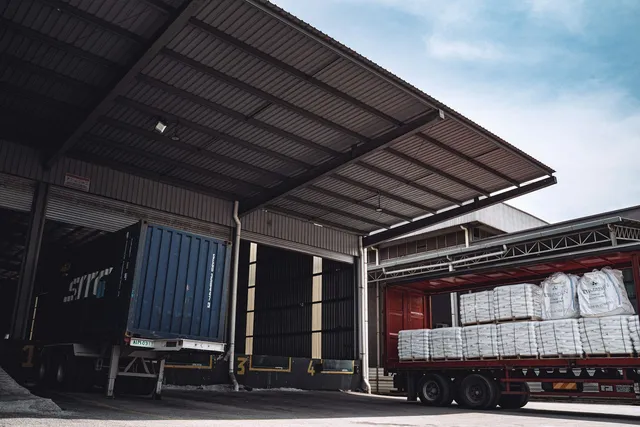
In international road freight the first question is usually the same: what should you do if your cargo does not fill a vehicle on its own? The answer depends on the volume of the cargo, how often you ship and your delivery plan.
What happens in part load?
In part load your cargo is combined with cargo from other companies going the same way in one vehicle. Because the vehicle cost is shared, it is an economical option for regular but low-volume shipments.
Collection and loading are arranged according to the cargo address and vehicle plan. Warehouse handling and preparation are included where needed. Departure depends on the plan for the shipments travelling in the same vehicle.
What happens in full truckload?
In full truckload the whole vehicle is reserved for your cargo alone. The cargo is collected from the factory or warehouse and goes straight to the delivery point.
Four measures to look at when deciding
- Volume and weight: If the cargo fills most of a vehicle, the full truckload option should also be compared.
- Delivery plan: If your departure day and delivery address are firm, a dedicated vehicle gives you more control.
- Shipping frequency: For regular shipments in small lots, part load stands out.
- Cargo type: The packaging and stowage of the cargo must be suitable for travelling in the same vehicle as other cargo.
Information to prepare when asking for a quote
For a correct comparison, this information is enough: loading and delivery address, weight, volume or number of pallets, type of cargo and planned date. It is not a problem if your information is incomplete; we can complete the rest together.