
Cargo dimensions, quantity and weight for your quote
A practical guide to reporting pallet and package sizes, gross weight and stacking conditions, with a worked example and a shipment checklist.
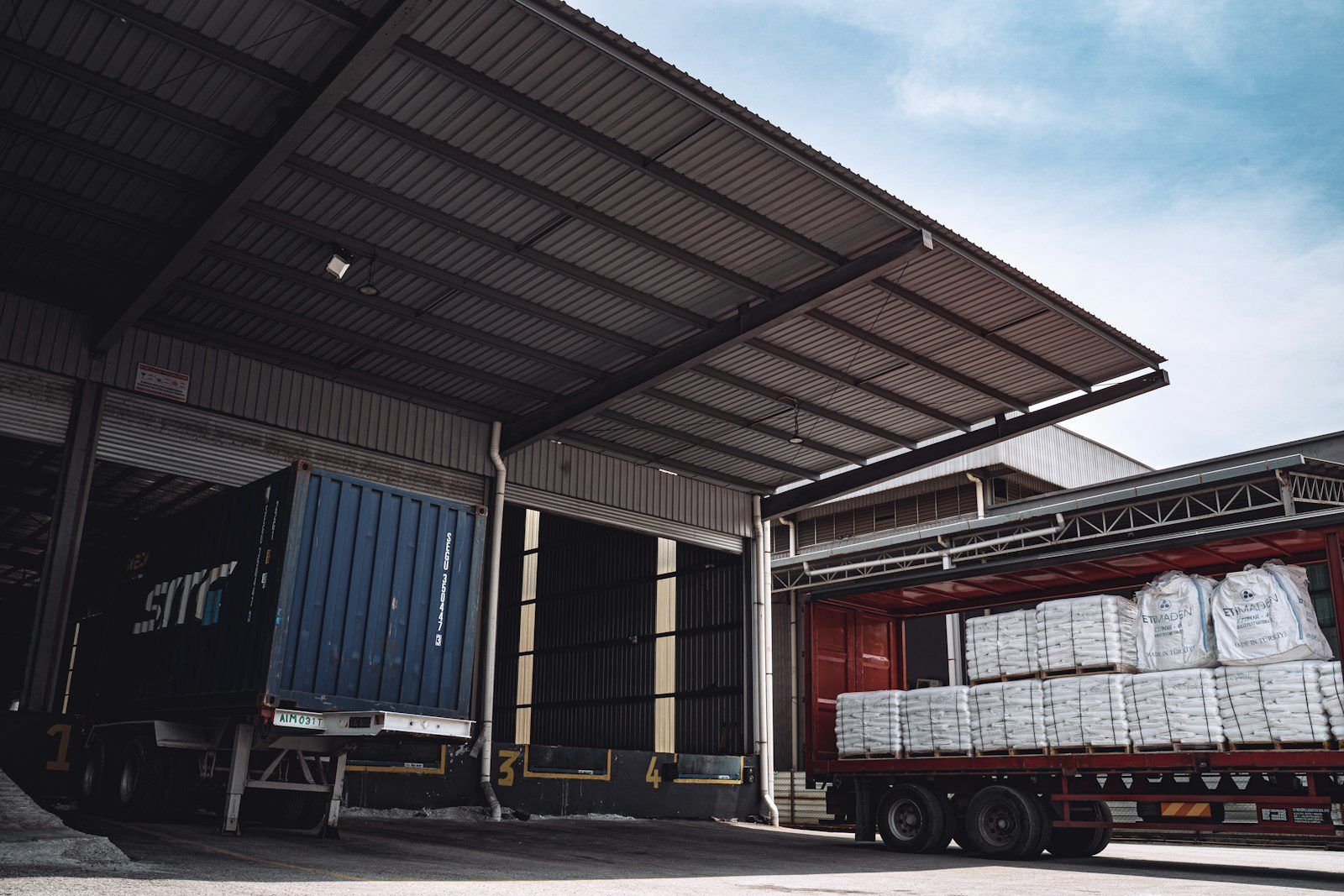
“We have two pallets” is a useful starting point, but a transport plan also needs their dimensions, weight and loading requirements. The steps below help you gather the information in one message. Mark anything that has not been measured as “to be confirmed” instead of presenting an estimate as a final figure.
1. Count the units that will be handed to the carrier
Describe the outer handling units: pallets, cartons, crates or unpackaged pieces. Group units with the same dimensions and weight on one line, and list different units separately.
- If two pallets carry a total of 40 cartons, write “2 pallets containing 40 cartons in total.” Do not list the pallets and the cartons as separate loads.
- List any loose cartons separately from palletised cargo.
- Identify loads that overhang their pallets, have an irregular shape or must travel as one piece.
This keeps the number of cartons inside the packaging distinct from the number of units to be loaded onto the vehicle.
2. Measure the outside of the finished packaging
For each unit, give width × length × height in centimetres. Include the pallet, protective packaging and any parts that project beyond the main load. Product dimensions from a catalogue may not represent the packed shipment.
Measure the height from the bottom of the pallet to the highest point of the load. If a crate or other packaging will be added later, check the final dimensions again once packing is complete.
To calculate volume, multiply the three dimensions in centimetres and divide by 1,000,000. This gives the volume of one unit in cubic metres. Multiply by the number of identical units to find their combined volume.
Example: Two pallets measuring 120 × 80 × 150 cm each have a volume of 1.44 m³ per pallet and 2.88 m³ in total. This is an illustrative volume calculation. Vehicle selection and freight pricing are not based on cubic metres alone.
3. State gross weight and how it is distributed
Gross weight includes the goods, packaging and pallet. Where possible, provide the weight of each unit as well as the shipment total. If only the product weight is known, identify it as net weight.
For example, if each of two packed pallets weighs 320 kg, their combined gross weight is 640 kg. If one is heavier than the other, report the individual weights instead of an average. Clearly mark unweighed figures as estimates and update them when confirmed.
4. Add stacking and handling conditions
Before describing cargo as stackable, confirm whether another load may be placed on top of it, taking both the product and its packaging into account. Share any known limit on the load above it or the number of stacking levels. If this is unknown, say so.
Also identify fragile goods, an upright handling requirement, top loading or a need for side access. A photograph can support the description, but it does not replace measurements and weight information.
5. Use one checklist for your enquiry
- Route: Collection and delivery country, city and postcode.
- Cargo: Product description and packaging type.
- Quantity and size: Number of units and width × length × height in cm for each distinct group.
- Weight: Gross kg per unit and in total; clearly identified estimates where necessary.
- Stacking: Permitted, not permitted or to be confirmed, plus any known restrictions.
- Timing: Cargo ready date and known collection or delivery hours.
- Access: Known dock, equipment or vehicle access conditions.
Use the collection and delivery site checklist to gather access details. Share your information through our contact channels, and update the same conversation if dimensions, weights or addresses change.