
Who is it for?
For companies with high-volume, regular export shipments, it brings operational ease and saves time.
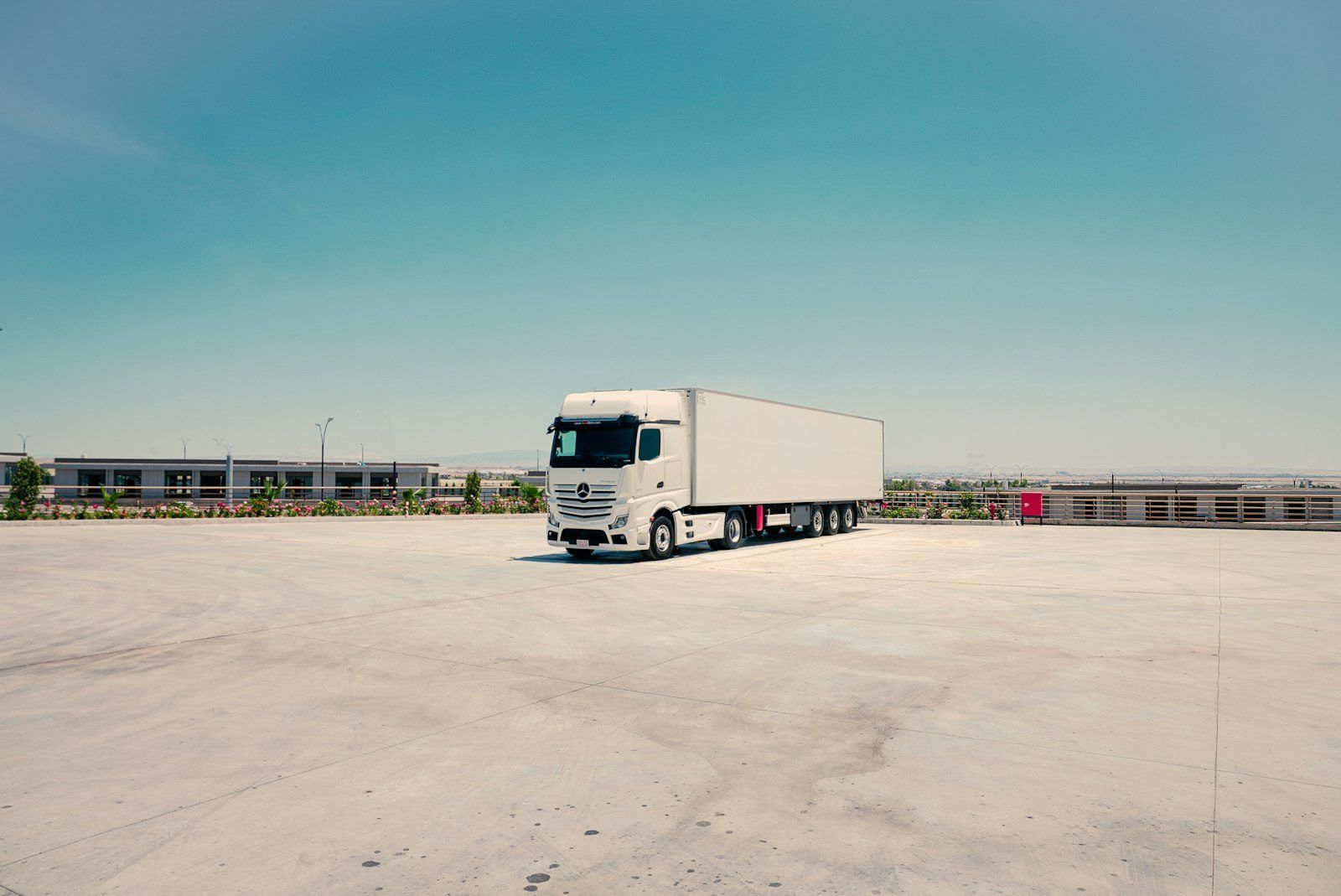
The whole vehicle is reserved for your cargo alone. Cargo collected from a factory, warehouse or production site goes directly to the delivery point.
For companies with high-volume, regular export shipments, it brings operational ease and saves time.
A vehicle is planned according to cargo volume and address; documents and customs are followed together throughout the transport.
In full truckload the vehicle is reserved for your cargo alone. Because the cargo is not combined with other cargo, handling is reduced, the risk of damage falls and you have more say over the loading date and delivery time.
Full truckload stands out especially when the cargo almost fills a vehicle, the delivery date is firm, the product is sensitive or valuable, or splitting the cargo would cause problems.
The most common vehicle type in international road transport is the curtain-sided (tautliner) trailer. A closed box body is used for cargo that must be protected from rain and dust but does not need side or top loading, and a refrigerated vehicle for cargo that needs temperature control. The vehicle needed depends on the type and size of the cargo, how it is loaded (rear, side, top) and its special conditions.
Full truckload pricing generally depends on:
So that the vehicle does not wait long during loading, the cargo should be ready, the number of pallets should match the invoice and an authorised person should be present at the loading address. To avoid trouble at the border, the commercial invoice and packing list should be ready to hand to the driver at loading.
In full truckload the CMR consignment note is issued when the cargo is loaded and travels with the driver. At delivery the consignee checks the cargo and signs the CMR. If there is a shortage or damage, it must be written on the CMR at delivery; notifications made later are weaker as evidence.
Booking a vehicle for full truckload starts before the loading date. After loading, the time on the road depends on distance, congestion at border gates, the driver's legal rest periods and customs offices and factories that close at weekends or on holidays. For cargo that needs a delivery appointment, all of these should be taken into account together.
Loading and unloading times are an important part of planning in full truckload; cost arises as long as the vehicle waits. Checking the ramp, forklift and working hours at the loading point in advance shortens waiting time. If the value of the cargo is above the CMR liability limit, taking out separate cargo insurance is the safest way to cover a possible loss.
When the cargo volume is high and the departure day and delivery address are firm. If the cargo does not fill a truck, part load may be more economical.
No. The vehicle is reserved for your cargo and it travels directly from the loading address to the delivery point.
We assess collection across Türkiye according to the loading address, vehicle access and shipment plan. Share the city, district and full address with our team.
On which routesAll routes
Write to us even if your details are incomplete; we complete the rest together.
 Greece
 Serbia
 Bosnia and Herzegovina
 Bulgaria
 Croatia